
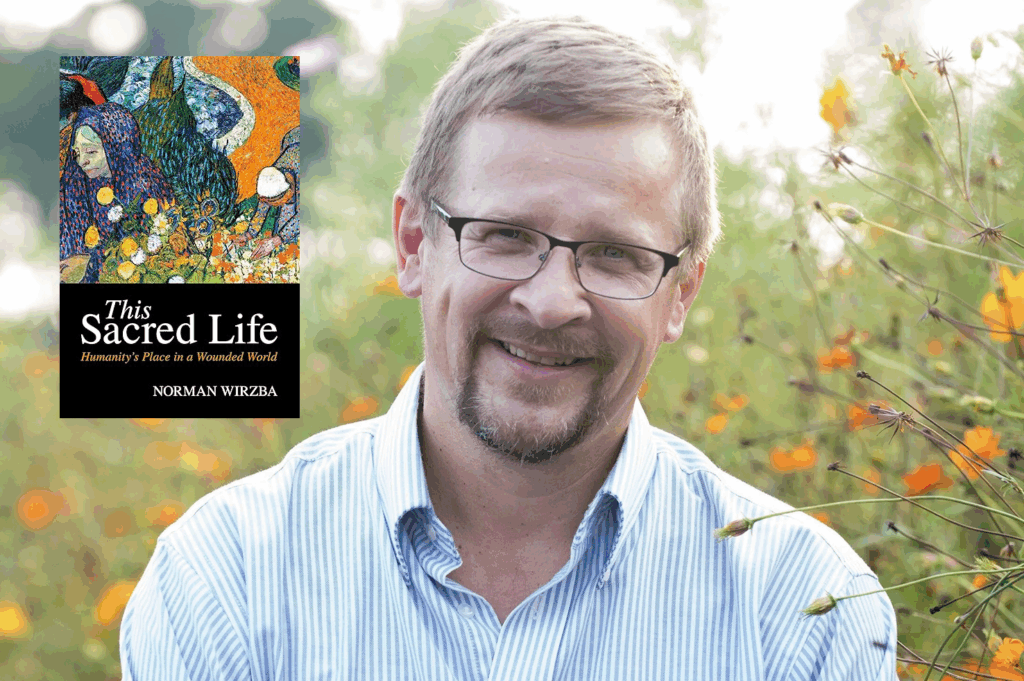
It’s been a busy fall season at Christ & St. Luke’s with a lot of focus on questions of environmental stewardship and how we can make a difference when the world throws up so many challenges. Why should we compost at home when sea levels are rising all around us? Why are we talking about recycling when so many people are homeless? These are questions that have come up for parishioners since we began our “Caring for Creation” series of Adult Formation talks in early September. So, the Rector’s October Book Club choice focused our minds on these questions through the lens of some academic theology and its real-word implications.
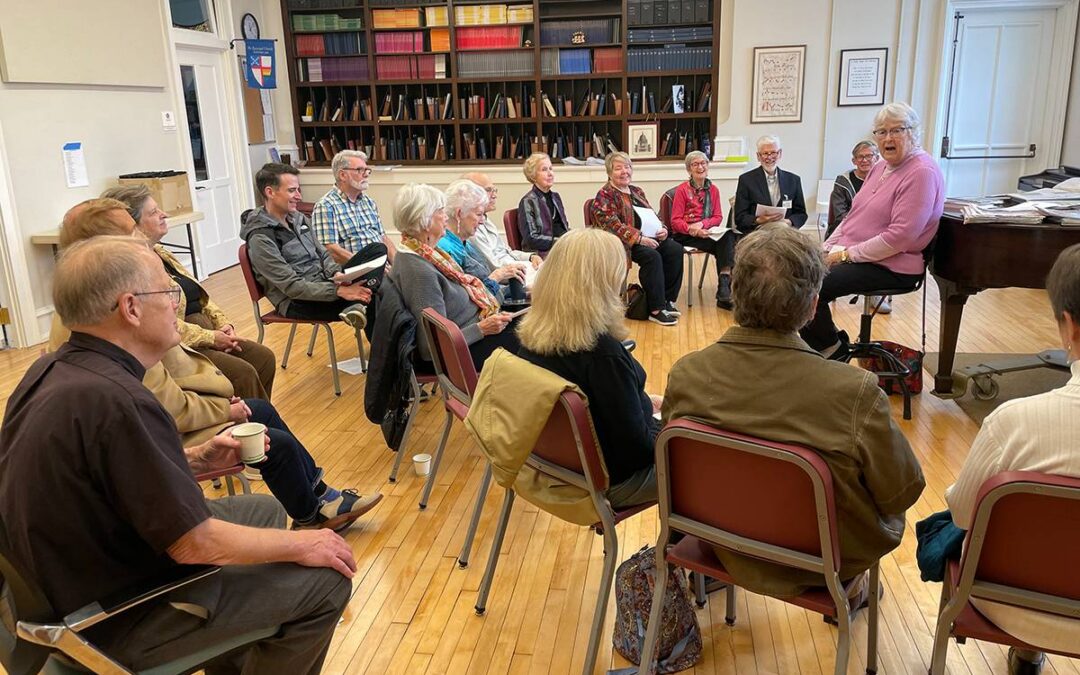
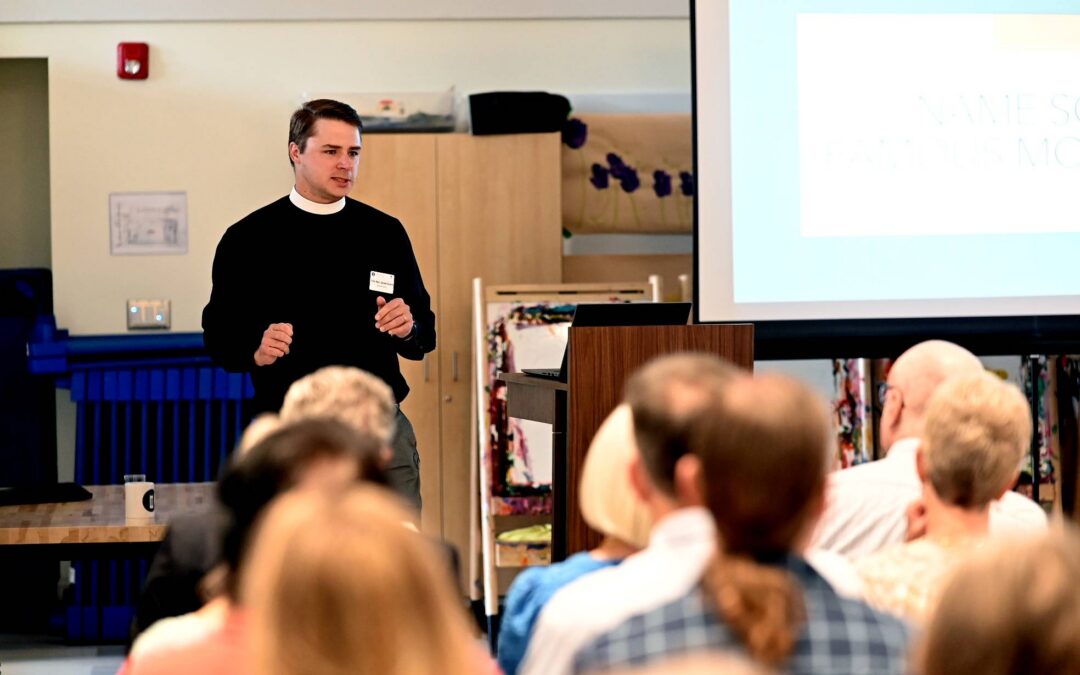
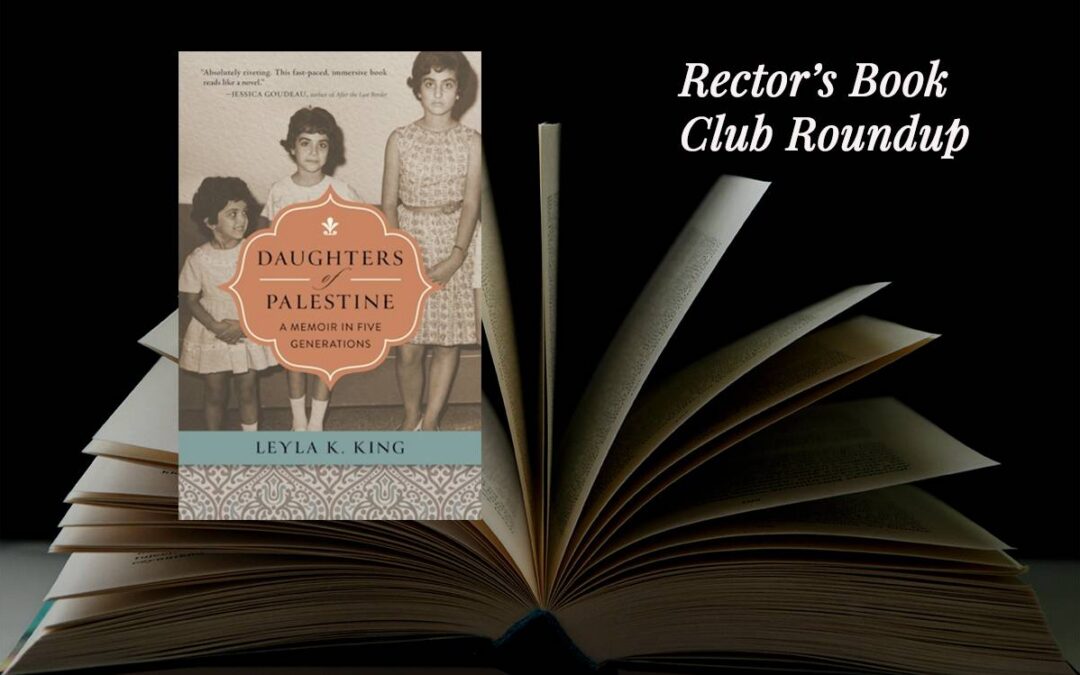
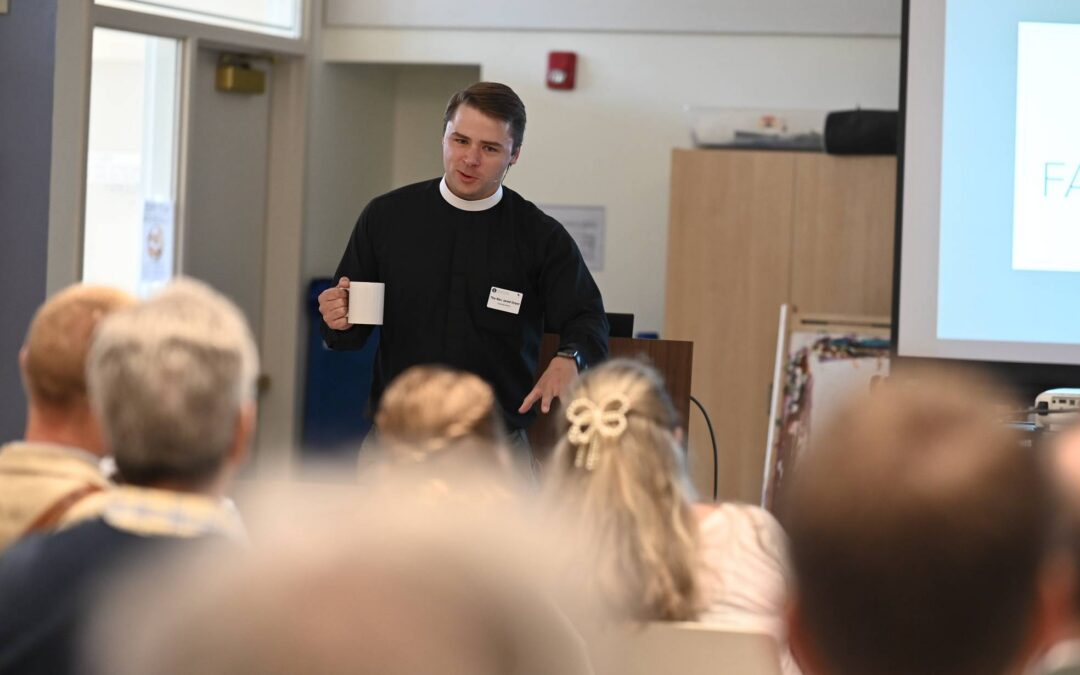
If you missed the book club but are curious to learn more about the book, the hope is that this blog might be a good place to start. Led by the Rev. Noah Van Niel, the book club this month centered on Norman Wirzba’s book, This Sacred Life. The conversation delved into the book’s core themes of humanity’s relationship with the natural world, the concept of creation, and the interconnectedness of all life.
Watch a video of the author discussing his book with Yale Divinity School here.
Rev. Van Niel introduced Wirzba as an academic writer grounded in theology and scripture, highlighting Wirzba’s role as a professor of Theology and Ecology at Duke University. He shared his personal connection to Wirzba’s ideas: “I was surprised, delighted — I first read this a few years ago — with how much of his thinking either consciously or consciously was taking up residence in my own understanding of these things.”
Fr. Noah said the book is structured around three animating questions: “Where are you?”, “Who are you?”, and “How should you live?,” he said.
The first section explores the Anthropocene period, a new age where human impact affects the natural world at a cellular level. Wirzba presents the notion of “created order” as a theological pronouncement implying a Creator with intent. The discussion touched upon the friction in humanity’s relationship with creation, leading to exploitation and a desire to transcend biological and planetary limitations. If we go to Mars, for example, “the problem is, if we go, we bring ourselves,” Fr. Noah said.
The second section, “Who are you?”, emphasizes humanity’s deep enmeshment with the natural world, even at microbial levels. This connection, rooted in the very soil, implies responsibilities to the world, making it a moral and ethical problem to disregard this rootedness. The ultimate thesis, as presented, is that “we are entirely related and dependent. And so that sense of life is a sense of connection. To the natural world and to one another.”
The third and longest section of the book argues for the sacredness of the created order, hallowed by God. Wirzba suggests that the beauty and dependency in creation reflect something true about God that humanity has lost touch with. The need to recover the idea of Sabbath, to dwell on sacredness in time and space, was a key point. The discussion also highlighted Christ as an example of how to respond to this gift through self-giving and offering, viewing “everything as a gift that is given and not our own doing or this sense of individualism but instead interdependence as well.” The importance of work that promotes harmony and communion, centered on love, was also discussed, leading to the idea of humans as co-creators with the Divine.
Participants shared their personal reactions to the book. One member said, “I’ve never read anything like it. There were so many words I’d never seen before.” Still, despite the challenging vocabulary, the book prompted new ways of thinking and the discussion was engaging and generative.
The discussion also touched on the book’s ability to bring together different thinkers. One participant praised Wirzba for “setting the table and having them all talk to one another.” They appreciated how Wirzba allowed authors like Wendell Berry and John Ruskin the space to “breathe a little bit more than a lot of times in Academic writing.” The book’s depth in theological analysis, moving beyond a shallow “God made it so we should care about it” environmentalism, resonated with many. As one speaker put it, “this is actually about your relationships with everything and the way in which you see everything as sacred.”
Another participant shared a profound personal connection, saying, “my intent is to see the sacred and the divine in everything.” The idea of the gardener as an authentic human calling, highlighted by Wirzba, also resonated. Another group member emphasized the importance of “rootedness,” both metaphorically and literally, to stay grounded amidst life’s anxieties.
The conversation also explored the practical implications of Wirzba’s ideas. One individual reflected on the importance of understanding global connections, citing examples of historical decisions and their far-reaching effects. The analogy of a loaf of bread, with its intricate web of agricultural, economic, and human connections, was used to illustrate this interconnectedness. Another participant shared a beautiful example of a church garden supporting a food bank.
The concept of forgiveness and empathy for those who are “disconnected and traumatized” was also brought into the discussion, with a participant noting the significance of Jesus as an example of reaching out to such individuals. The idea of “transparent economies” and the need to appreciate the chains around the things we consume also came up.
The discussion concluded with a sense of hope and the call to action. One participant expressed appreciation for the book’s full-circle journey, from acknowledging humanity’s place in the earth to emphasizing the vital role of community.
They said, “We’re part of everyone, and without being with each other, we’ll just wither and die.”
The book’s ability to subvert the notion of “heaven is where my real home is, so it doesn’t matter what happens here” was also highlighted. The challenges of a technologically driven world and the importance of holding onto what is “real, and true, and good” were discussed, with one speaker humorously envisioning an “AI Jesus.” Ultimately, the book offered a “victory to finish the work” for one participant, who felt “continually invited and inspired and affirmed and wanting to do better, do more.”
The discussion affirmed the power of academic theology to provide a framework for understanding and navigating life’s complexities, ultimately leading to a deeper engagement with the sacredness of existence.
To answer those big questions, based on the discussion of the book, then:
Why should we compost at home when sea levels are rising all around us?
Because composting at home is a meaningful individual action that contributes to a larger sense of responsibility, interconnectedness, and care for the sacredness of our planet, even in the face of large-scale environmental challenges like rising sea levels.
Why are we talking about recycling when so many people are homeless?
Wirzba’s work delves into our relationships with everything and the way in which you see everything as sacred. This meshwork of life suggests that social issues, like homelessness, and environmental issues, like waste management, are not isolated but are part of a larger, interwoven system. The book encourages a deeper understanding of our place in the world and our responsibilities within this interconnected web. The underlying message is that understanding these fundamental relationships can inform how we approach all challenges, fostering a sense of shared responsibility for the well-being of both people and the planet.
If you’ve read this roundup and are still feeling lost, good news! Next month’s book is “Zero at the Bone — Fifty Entries Against Despair,” by Christian Wiman. We’ll discuss it on Friday November 21st at 4 p.m. Please come along!