
The following opinion column by The Rev. Noah Van Niel was published in The Virgnian-Pilot on Sept. 14, 2025.
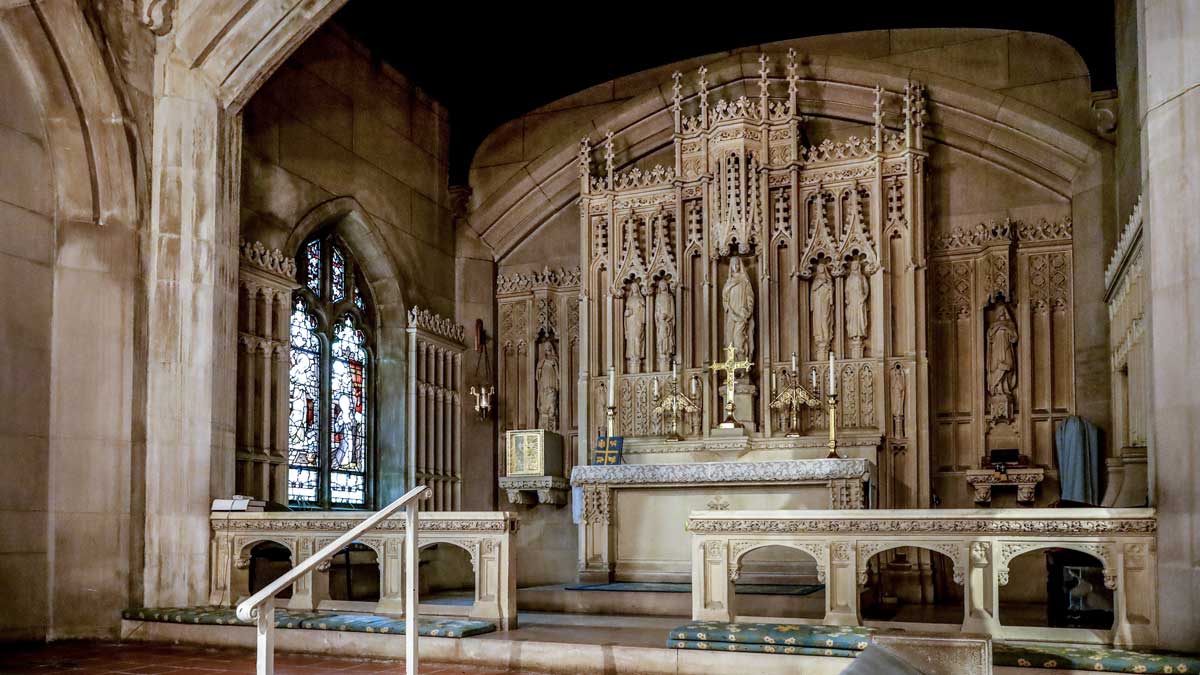
Most of the ministers I know would pay good money to have their church on the front page of the newspaper. But when a picture of the parish I serve, Christ and St. Luke’s Episcopal Church in Norfolk, showed up in The Virginian-Pilot a few weeks ago, it was because, once again, the streets which surround us were flooding.
Despite being hundreds of miles offshore, Hurricane Erin was reminding us of the inconvenient truth that our city is drowning. This is not news to us: As the stewards of a picturesque church built over a filled-in creek, we are becoming somewhat accustomed to being the poster-child for flooding in the city with the highest rate of sea-level rise on the East Coast.
Like many residents of Norfolk, we watch the tide charts, know where not to park our cars, and what routes we need to take to avoid the swamped roads. We’ve just spent a ton of money water-“proofing” our basement and we pray extra hard that next time one of these supercharged storms will not actually hit us directly. All of which is, frankly, a ridiculous way to live. And we have had enough of it.
We know that there is much time and energy in Norfolk and the other Hampton Roads cities being devoted to “resilience” and “adaptation.” And this region is home to some truly remarkable businesses and community organizations working in this field. But the tide of collective outrage and collective action around this issue has not yet risen high enough to overcome the civic obstinance and pragmatic obstacles that keep us from making wide-spread progress on this problem.
Big issues such as this should be addressed by the federal and state governments but those leaders have chosen to intentionally move us backwards in the areas of environmental protection and climate adaptation while gutting the funding for ecological research and renewable energy development which would help keep us from becoming a modern-day Atlantis.
We can do better than this. We have to do better than this. We need to draw up big solutions to these big problems and that means we need bigger dreams and bolder actions. For our part, we do not plan to sit idly by and watch the waters lap higher and higher at our front steps, waiting for the Army Corps of Engineers to save us all with a floodwall that is already dogged by delays and cost increases.
We need people of goodwill and good faith who see this problem for what it is and what it will become to come together now and channel their collective voices into helping us make difficult choices and take bold chances — to make us a national leader in demonstrating how cities can confront the reality of climate change and still thrive.
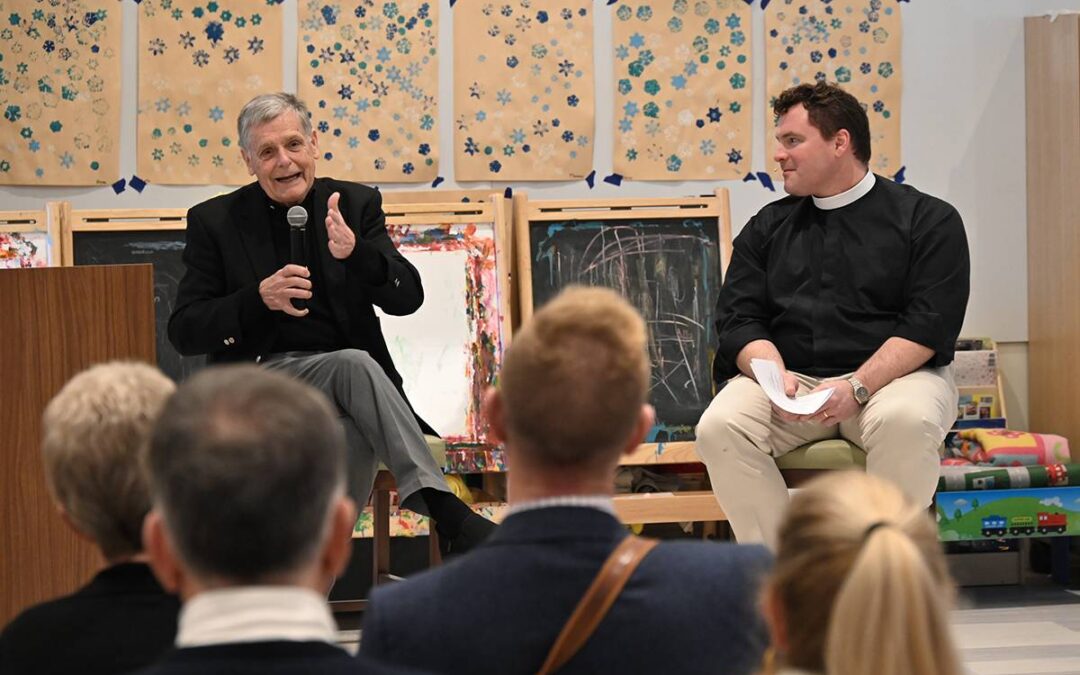
We plan to start this conversation by inviting all who wish to be a part of this work to join us for a talk by New York Times columnist and naturalist author Margaret Renkl at Christ and St. Luke’s on Saturday, Sept. 20, at 5 p.m. Renkl writes with beauty, sensitivity and insight about the wonders of nature and has inspired many people to better cherish and live harmoniously with it.
She will bring this gift to us as a part of the second annual Jim Sell Community Conversation, a public initiative based out of Christ and St. Luke’s. It started in memory of a beloved priest of our parish who was committed to bringing the community together to have conversations that make a difference on topics that matter. Figuring out how to keep our city from drowning is certainly a topic that matters. As far as making a difference, well that is up to us.
This is but the beginning of what will be a series of conversations and sessions we are hosting which we hope will catalyze collective action on the scale of the catastrophe we face. Time has not run out. But there is much work to do. Join us on Saturday to get started. That is, as the saying goes, “If the Good Lord’s willing and the creek don’t rise…”